Events

Engaging minds. Inspiring change. Building a mentally healthy future.

The events of Azu-Eri Mental Health Advocacy Foundation showcase our upcoming and past activities dedicated to promoting mental health awareness, education, and support. From seminars, workshops, conferences, and community dialogues to special advocacy campaigns, this page keeps you informed about opportunities to learn, participate, and connect.

Here, you can explore event highlights, register your interest for programmes, and review the areas of work that reflect our mission of fostering understanding, breaking stigma, and strengthening mental health support across communities.

The current website does not list confirmed event dates, venues, or registration deadlines. Use the interest buttons to register, or contact the foundation for the next confirmed gathering.

Latest Event Convergence

Select an event to read the full account.

London roadshow

The Royal African Society and Afretrade present the African Economic Renaissance Roadshow with a theme; Building Africa’s Economy - Leveraging The Power Of Its Diaspora.

Today’s conversation could not have been more timely as we have been educated by the facts which are that by 2050, Africa is projected to account for nearly a quarter of the world’s population, while the African Continental Free Trade Area (AfCFTA), according to African Continental Free Trade Area Secretariat & World Bank, estimates an expected creation of a market of over 1.4 billion people with a combined GDP exceeding $3 trillion.

At the same time, global African diaspora communities continue to contribute billions annually through remittances, entrepreneurship, skills transfer, and investment. Yet one critical question remains:

How do we move from financial support to long-term economic partnerships that drive sustainable growth across the continent?

I had the honour of being invited to Afretrade London Roadshow which brought together investors, entrepreneurs, policymakers and diaspora leaders to explore the theme:

“Building Africa’s Economy – Leveraging the Power of its Global Diaspora,”

The event presented the urgent need for stronger collaboration between Africa and its global diaspora to unlock trade, innovation, enterprise and investment opportunities.

It was beyond a networking event, as it was about shaping the future of African economic transformation and changing the defeatist mindset of Africans.

Jadara, represented by its Chief Technology Officer (CTO), Mr. Julius Poopola and Mr. Lekan Salam, the Founder/CEO Afretrade were amongst the insightful speakers at the event.

Dr. Charly Lemassi, COO Afretrade, most engagingly transfixed our consciousness into a world of trade and innovativeness on a level that had never been felt before. Her exciting presentation was laddened with incitement, being a person who had lived her life on the buzz of empowering people, especially those with no concept of how their capabilities could enhance them due to a defeatist mindset.

Being a lawyer and Founder of AZU-ERI Mental Health Advocacy Foundation, I was able to use the Q&A session of the event to highlight the collation between self-worth and the defeatist mindset she had previously referenced, particularly as founded research had led me to support and conclude on such findings. My viewpoint and vision was for her organisation to recognize that where root causes of the lack of self-worth was recognized and addressed, through parenting and mentorship, people were going to be much more likely to be mentally empowered.

As always, Stella Okuzu the CEO of Royal African Society was a class act in anchoring this event.

AZU-ERI Mental Health Advocacy Foundation remains committed to forming collaborative engagements in order to highlight the impact of parenting on ones mindset. We do this because we know that ones belief in their inner strength to excel in business or any vocational calling, does commence from their discovery of self-worth.

Audience seated indoors during the African Economic Renaissance Roadshow
Audience at the roadshow.
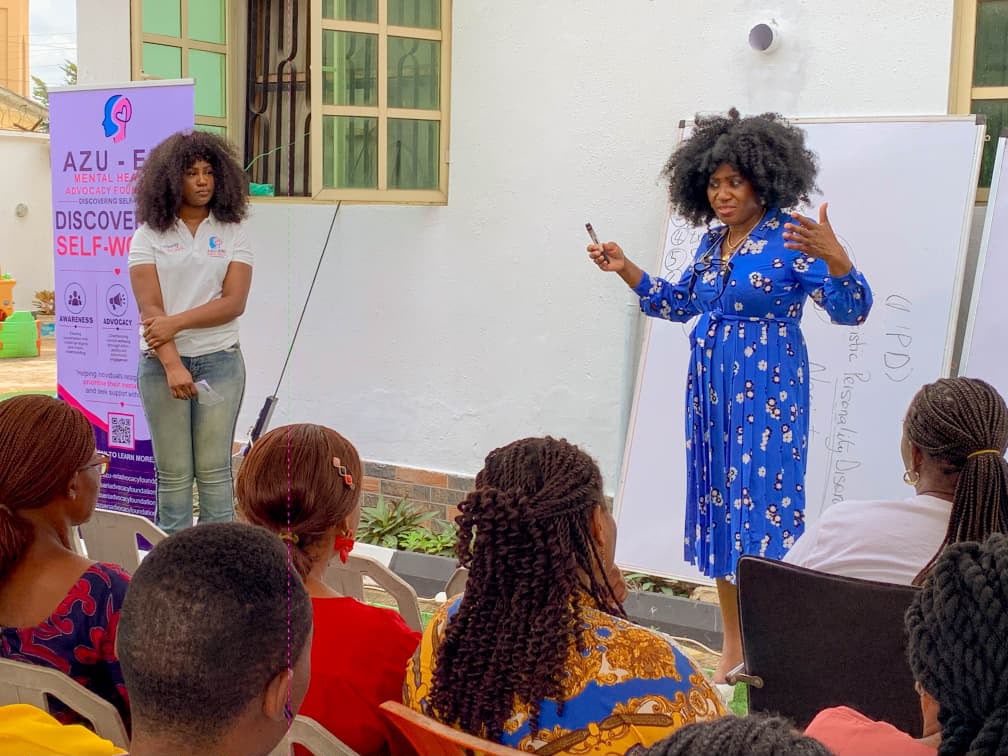
A speaker presenting beside the Azu-Eri banner at the roadshow
Presentation beside the Azu-Eri banner.
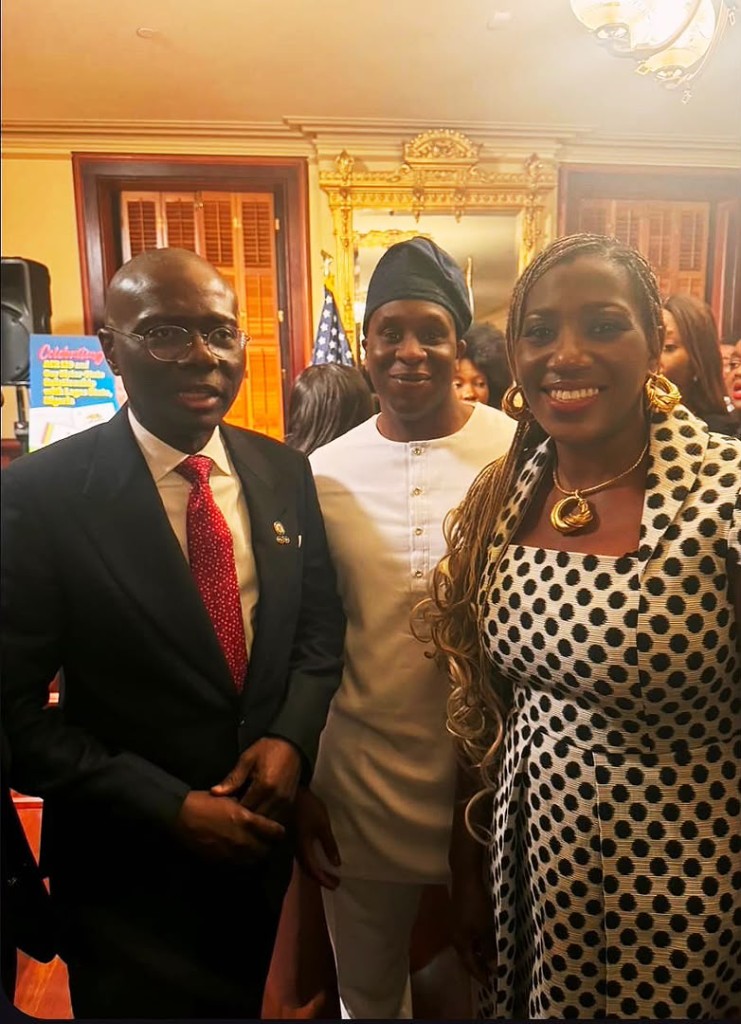
Three guests at the California–Lagos Business and Investment Summit, standing together in a formal room

18 September 2026 · San Francisco

From Opportunity to Execution: Building a Stronger Business and Investment Bridge Between California and Lagos

How policy, diaspora investment and institutional partnerships can turn cross-border opportunities into lasting economic growth.

On September 18, 2026, at the historic Klamath in San Francisco, California, an important conversation took place around a question that deserves more attention in today’s global business environment: how do we move from identifying opportunities to making them work in practice?

At the California–Lagos Business & Investment Summit 2026, the session titled From Opportunity to Execution brought together voices from international policy, government, and institutional relations to explore the conditions that can help businesses and investors build meaningful connections across borders.

The central idea was simple but significant: opportunities are important, but opportunities alone do not create jobs, strengthen economies or build lasting partnerships. They need the right structures, the right relationships and, above all, the willingness to move from conversation to action.

For California and Lagos, two places with opportunities for business, innovation, trade and investment, that conversation matters.

Why the California–Lagos Business Connection Matters

In an increasingly connected world, business opportunities are no longer limited by geography. An entrepreneur in Lagos can build relationships with a company in California, a Nigerian professional living abroad can invest in a business back home, and institutions across continents can collaborate to address shared economic challenges.

But having access to these opportunities is only one part of the equation.

Cross-border business relationships require more than introductions. They depend on trust, clear policies, reliable institutions, regulatory understanding and the confidence that an investment can be managed responsibly.

This is particularly important when engaging diaspora communities. Many Nigerians living abroad have skills, professional networks, business experience and financial resources that could contribute to development at home. Yet the ability to turn that interest into sustainable investment depends on the structures available to support it.

The California–Lagos Business & Investment Summit provided a platform to examine these issues and consider what needs to happen for international relationships to produce practical economic value.

From Policy to Investment: Understanding What Makes Cross-Border Deals Work

One of the key dimensions of the conversation was the role of international policy and regulation in enabling cross-border business.

Bonny Nyaga, International Policy Adviser, brought this area of focus to the panel, addressing the regulatory and bilateral policy conditions that can either enable or stall cross-border deals.

For businesses looking beyond their domestic markets, these considerations are not merely technical details. They can determine how easily a company enters a new market, how an investor assesses risk and how confidently two parties can establish a working relationship.

When policies are unclear or regulatory requirements are difficult to navigate, promising opportunities can become difficult to execute. When the necessary frameworks are understood and the rules are sufficiently predictable, businesses have a clearer basis for making decisions.

This is why conversations about international investment must go beyond identifying attractive markets. They must also examine the practical conditions that allow businesses to operate, investors to participate and partnerships to grow.

The question is not simply whether an opportunity exists, but whether the environment supports the people willing to pursue it.

Diaspora Capital: Turning Connections into Economic Value

Another important part of the discussion centred on the role of the Lagos State Government in mobilising diaspora capital.

Dr. Jermaine Sanwo-Olu, Executive Secretary of the Lagos State Office of Diaspora Affairs, addressed the state’s role in mobilising and de-risking diaspora investment.

Diaspora investment represents more than the movement of money from one country to another. It can connect financial resources with knowledge, international experience, professional relationships and a deeper understanding of both local and foreign markets.

However, encouraging people to invest in their home communities requires more than asking them to believe in the possibilities. Investors also need access to credible information, clear processes, dependable partners and structures that help them understand and manage risk.

This is where institutions have an important role to play.

By helping investors navigate opportunities and understand the relevant processes, government agencies and diaspora organisations can contribute to a more organised investment environment.

For Lagos, the broader opportunity lies in creating stronger connections between people living abroad and the businesses, projects and communities that can benefit from their participation.

The goal should not be to attract capital for the sake of attracting capital. It should be to create conditions in which investment can support viable businesses, productive activities and sustainable economic development.

That distinction matters because the true value of diaspora engagement is measured not only by the money that comes in, but also by the relationships, knowledge and opportunities that remain long after an investment is made.

Why Institutional Partnerships Matter

Investment opportunities also depend on the relationships and frameworks that bring people together.

Hassan Lecky, Country Representative for Nigeria at Sister Cities International, contributed the institutional dimension of the conversation, focusing on the diplomatic and institutional frameworks that formalise the California–Lagos relationship.

Partnerships between cities and regions can create opportunities for collaboration across business, culture, education, innovation and economic development. They can also provide a foundation for organisations to build relationships beyond individual meetings or short-term initiatives.

But meaningful partnerships require continuity.

An introduction can open a door, and a meeting can create interest, but neither automatically produces a working relationship. Institutions need ways to maintain communication, identify areas of mutual interest and help the people involved move towards shared objectives.

This is especially relevant to international business relationships, where differences in regulations, business practices and operating environments can make coordination more complex.

Strong institutional frameworks help provide the foundation on which these relationships can develop.

Ultimately, the value of a partnership lies not only in the fact that it exists, but in what the people and organisations involved are able to build through it.

The Bigger Question: What Happens After the Conversation?

Perhaps the most important lesson behind the theme From Opportunity to Execution is the need to think beyond the event itself.

Business summits create opportunities for people to meet, exchange ideas, explore markets and identify areas of mutual interest. These conversations can be valuable starting points, but their long-term significance depends on what follows.

A promising discussion needs a next step. An investment opportunity needs proper assessment. A potential partnership needs clear responsibilities and sustained communication. An institutional relationship needs a practical direction.

Without follow-through, even a valuable conversation can remain just that: a conversation.

This is why the work after a summit matters as much as the discussions that take place during it. Stakeholders must continue engaging, clarify areas of interest, address barriers and identify realistic ways to turn shared ambitions into measurable progress.

It is also important to recognise that execution takes time. Not every conversation will result in an immediate deal, and not every proposed partnership will develop as expected. What matters is having a process that allows serious opportunities to be examined, strengthened and pursued responsibly.

The measure of progress should therefore extend beyond the number of people who attended or the connections made on the day. It should include the quality of the relationships established, the opportunities developed and the practical steps taken afterwards.

Building a Future Through Collaboration

The California–Lagos Business & Investment Summit 2026 highlighted an important area of opportunity: the potential to strengthen economic relationships by bringing together people and institutions with different forms of expertise.

International policy advisers help illuminate the conditions that shape cross-border transactions. Government representatives can help connect diaspora communities with investment opportunities and relevant institutions. Organisations such as Sister Cities International contribute to the frameworks through which relationships between places can be established and sustained.

These roles are different, but they are connected by a common objective: creating the conditions in which collaboration can lead to practical results.

For entrepreneurs, the message is to look beyond the promise of a market and understand the structures required to operate within it. For investors, it is to assess opportunities carefully and seek the information needed to make informed decisions. For institutions, it is to keep building the relationships and processes that make collaboration possible.

And for the diaspora, it is an invitation to see international connections not only as personal or professional advantages, but also as potential pathways to productive investment, knowledge exchange and shared growth.

No single summit can resolve every challenge associated with international investment. But a well-directed conversation can help identify the barriers, connect the right people and create a foundation for further work.

The Work Begins When the Event Ends

The California–Lagos Business & Investment Summit 2026 brought attention to a question that should remain relevant long after the gathering at the historic Klamath: how can we ensure that the opportunities we identify become opportunities people can actually pursue?

The answer lies in the work that follows — stronger relationships, clearer processes, responsible investment decisions and sustained collaboration between the people and institutions involved.

California and Lagos do not need conversations simply for the sake of having them. They need conversations that help businesses understand new markets, investors navigate uncertainty, institutions identify common interests and partners establish a clear path towards execution.

Because in business, recognising an opportunity is only the beginning. The real work is creating the conditions to pursue it, building the relationships to sustain it and following through until the intended value begins to take shape.

From opportunity to execution is more than a summit theme. It is a reminder that the future of cross-border business depends on what we choose to do with the opportunities in front of us.

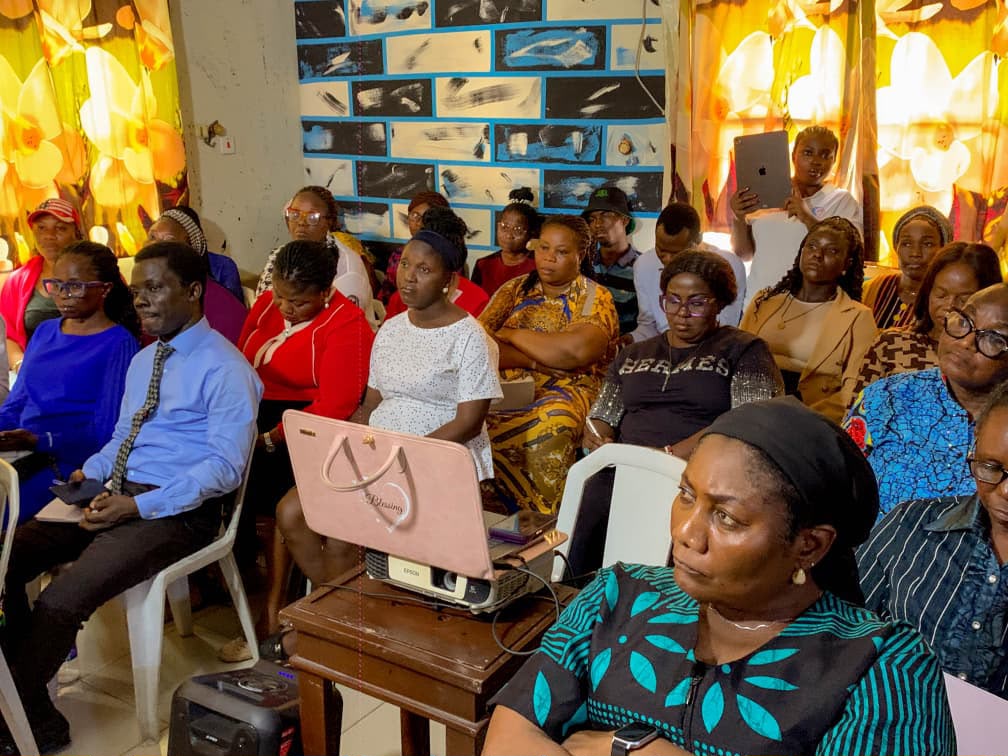
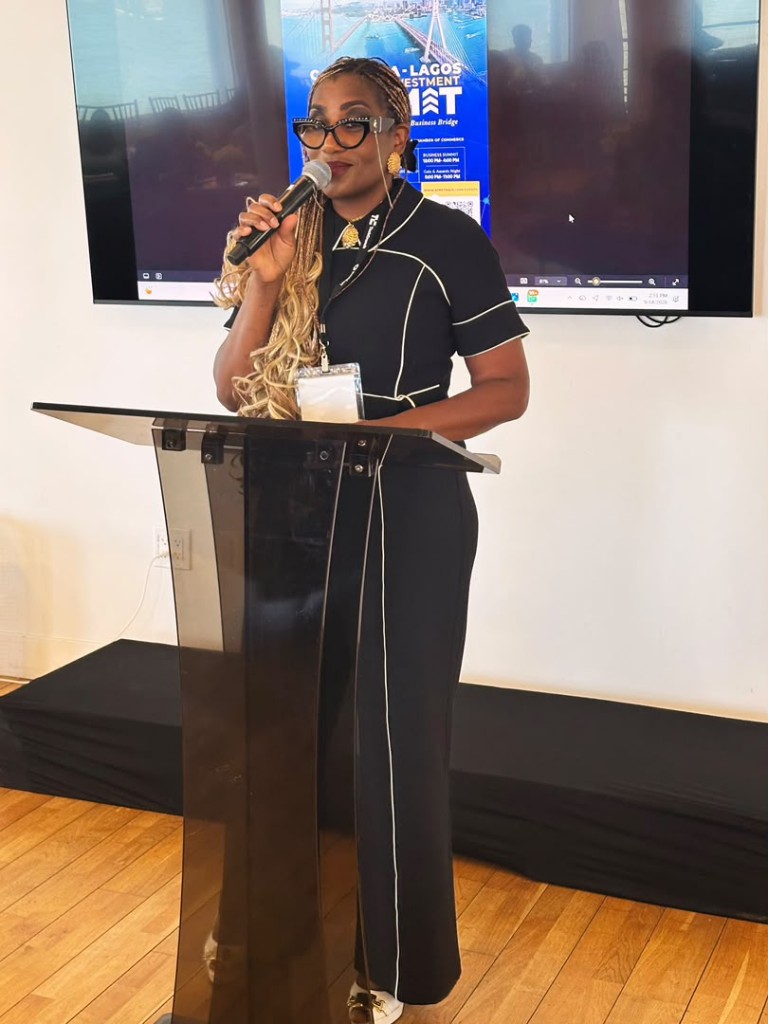
A speaker at a podium delivering the Beyond the Behaviour teacher training workshop

16 June · Teacher workshop

Beyond the Behaviour: What Are Our Children Really Trying to Tell Us

On June 16, I had the privilege of delivering Beyond the Behaviour, a teacher training workshop created to help educators look beyond what they see on the surface and better understand what may be happening emotionally in the lives of children.

It was a conversation that went beyond teaching, discipline and classroom management, because sometimes, a child’s behaviour is communicating something they may not have the words to say.

We explored how trauma, difficult childhood experiences, emotional distress, abuse and unhealthy family dynamics can influence the way children think, feel and behave, and why certain behaviours should not always be dismissed as stubbornness, bad character or attention seeking.

A child who suddenly becomes withdrawn may be struggling with something they cannot explain, a child who constantly lies may be responding to fear or an environment where they do not feel safe, a child struggling with low self-esteem or low self-worth may be carrying experiences that have shaped how they see themselves, and sudden changes in behaviour may sometimes be a signal that something deeper needs our attention.

This is why one of the biggest questions I wanted us to consider was simple: What if we looked beyond the behaviour?

Teachers occupy a very important position in the lives of children because they spend a significant amount of time with them and may notice changes that others overlook, the child who suddenly stops participating, the child whose attitude changes, the child who becomes unusually aggressive or unusually quiet, or the child whose academic performance begins to change.

These may appear to be ordinary classroom challenges, but sometimes, they can be signs that a child needs someone to look a little deeper.

This does not mean that teachers are expected to become therapists or solve every problem a child faces, it means that they can become more informed, more observant and more intentional in how they respond.

Instead of asking only, “What is wrong with this child?”, we should also be willing to ask, “What happened to this child?”

That shift in perspective matters.

Children do not always know how to say, “I am hurting”, “I do not feel safe”, “I am struggling” or “Something is happening at home”, sometimes, their behaviour becomes the language through which they communicate what they cannot express with words.

And when we only punish the behaviour without understanding what is behind it, we may correct the visible problem while completely missing the real one.

At Azu-Eri Mental Health Advocacy Foundation, our work is built around creating greater awareness of how experiences shape emotional development, and conversations like this are important because mental health awareness cannot remain within therapy rooms or medical spaces alone.

It must reach our schools, our homes, our communities and the people who interact with children every day.

We need parents who are willing to listen, teachers who are willing to observe and communities that understand that emotional wellbeing is an important part of a child’s development.

The goal is not to excuse unhealthy behaviour or remove accountability, the goal is to understand before we judge and to respond with both wisdom and empathy.

Because behind some behaviours is a story.

Behind some silence is pain.

Behind some anger is fear.

Behind some attention seeking is a child asking to be seen.

And sometimes, the child we think needs more correction is actually the child who needs someone to listen.

That is why Beyond the Behaviour was more than a teacher training workshop for me, it was a reminder that when we understand the story behind the behaviour, we create room for empathy, safety, healing and better outcomes.

We must learn to look beyond what a child does and begin to ask what the child may be experiencing.

Beyond the behaviour, beyond the classroom, beyond the surface.

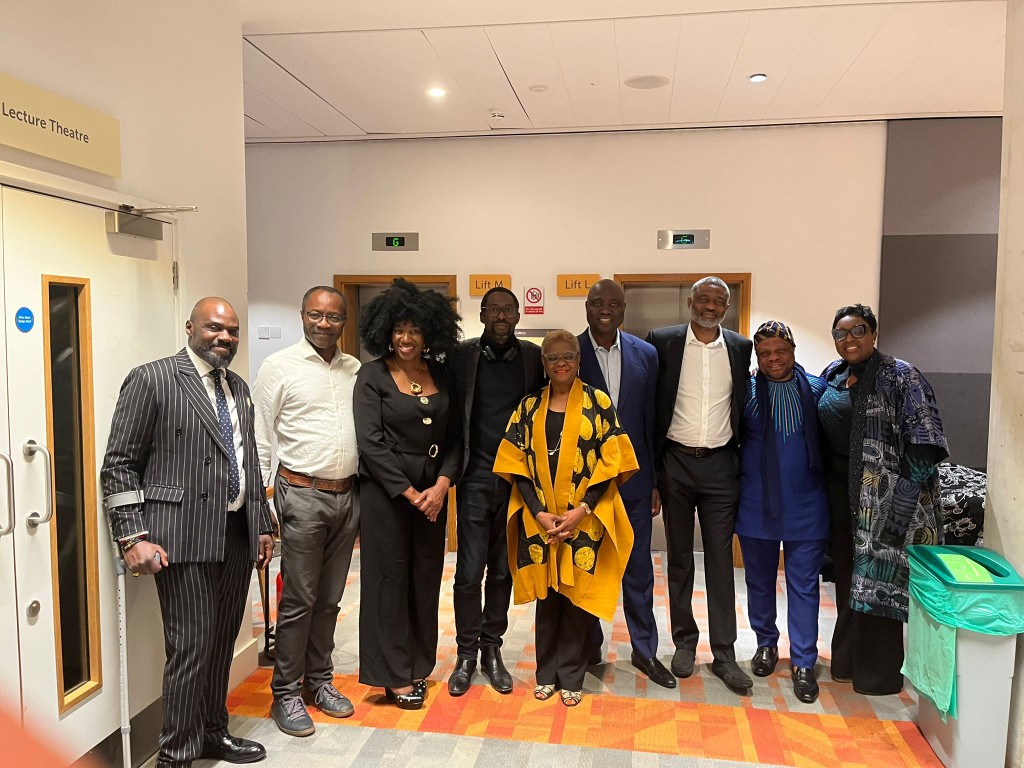
Guests gathered in a corridor after the Sahel Exhibition at the House of Commons

28 April · House of Commons

SAHEL EXHIBITION - UK’s HOUSE OF COMMONS

I was pleased to have been invited to The Sahel Exhibition, which was held in collaboration with PSJ UK and the Mary Dinah Foundation at the House of Commons on Tuesday, the 28th of April.

Kate Osamor, an MP for Edmonton and Winchmore Hill hosted this most timely Exhibition, with such an emphatic understanding of the challenges that refugees in this geographical location encounter.

Pastor Adedoyin Ayo, the CEO Peace And Social Justice (PSJ) UK was amongst the Speakers as well as Lady Mary Daniah, CEO & Founder of The Mary Dinah Foundation.

Other speakers included Ayo Adeyinka the Director and Founder, TAFETA and Nicki Clarke MBE, a Senior Technical Associate, Emergency Nutrition Network (ENN).

This was an Exhibition like no other. It was one which was not hyper focused on just the emotive imagery, as was captured in photos, but was one which focused on the realities of the plight of humans that have been subjected to exist in such deplorable conditions. There was a call for action, practical action aimed at persuading stakeholders to explore the realities of the devastation of conflict, displacement and the need for a most compassionate humanitarian approach across West and Central Africa.

Never before has such a visually curated collection of photographic works, from over 60 villages, ensured such a gripping reaction. These presentations highlight the horrors of lived experiences of the people whose moments were captured in these photos.

Given my background in law, indepth interest in justice, human rights and mental health, it was a great opportunity to voice and input additional values to conversations that emerged from this engagement. The Exhibition did succeed in pushing an agenda of deep introspection for everyone present in that parliamentary room, including myself. There were, certainly, moments of extreme humility that was felt from being in the same space with these passionate Speakers.

Nicki Clarke MBE did, inadvertently, succeed in moving a tear or two within the soul of Azu-Eri, in the narration of her story of how a Sudanese man had to make the dire choice of letting his malnourished child die saying (and I quote)

“We can always make another one”

Whilst his choice might seem to be completely inhumane to all of us sitting in the comfort or discomfort of our rooms, there must be a recognition of the fact that this father's choice was based on the hopelessness of a cycled and re-cycled lived experience. I verily believe that his words, spoken through Nicki, were words that will stain our consciousness and consciences till the date of our departure from this earth.

And perhaps... that was the whole point in Nicki Clarke's conveying of this most thought provoking story.

Being a founder of an NGO that focuses on aspects of mental health, that is hardly ever spoken about within our community, my immediate reaction was the thought of being able to heal and bridge the emotional deprivation of people in these communities. Being passionate about the causes of our organization, it reminded me of the indepth need to leverage on my afforded privileges particularly of not ever having to face such dire choices. It became a catalyst to engage with stakeholders, on levels that had not been previously conceived.

Azu-Eri, as always, shall continue to raise awareness on not only the impact of being raised in deplorable conditions, but on the detrimental behavioural patterns that develops in such children into adulthood.

Further programmes

Interest in these programmes is registered through the existing registration page. Dates are published only when the foundation has confirmed them.

Illustration used for environmental and trauma programmes

Environmental & Trauma Programs

Trauma-informed programs addressing environmental factors affecting mental health.

What to expect

1. Trauma healing and recovery workshops.
2. Safe space for sharing experiences for environmental stressors.

Target: trauma survivors, at-risk populations

Click here if interested
Illustration used for workplace wellness

Workplace Wellness

Corporate wellness programs promoting mental health in the workplace.

What to expect

1. Work-life balance strategies and tools.
Manager and HR training programs.
2. Employee assistance program resources.

Target: employees, HR professionals, managers

Click here if interested
Illustration used for research and advocacy

Research & Advocacy

Research initiatives and policy advocacy for mental health awareness.

What to expect

1. Participate in mental health research studies.
2. Policy advocacy training and workshops.
3. Network with researchers and policymakers.

Target: researchers, policymakers, advocates

Click here if interested